

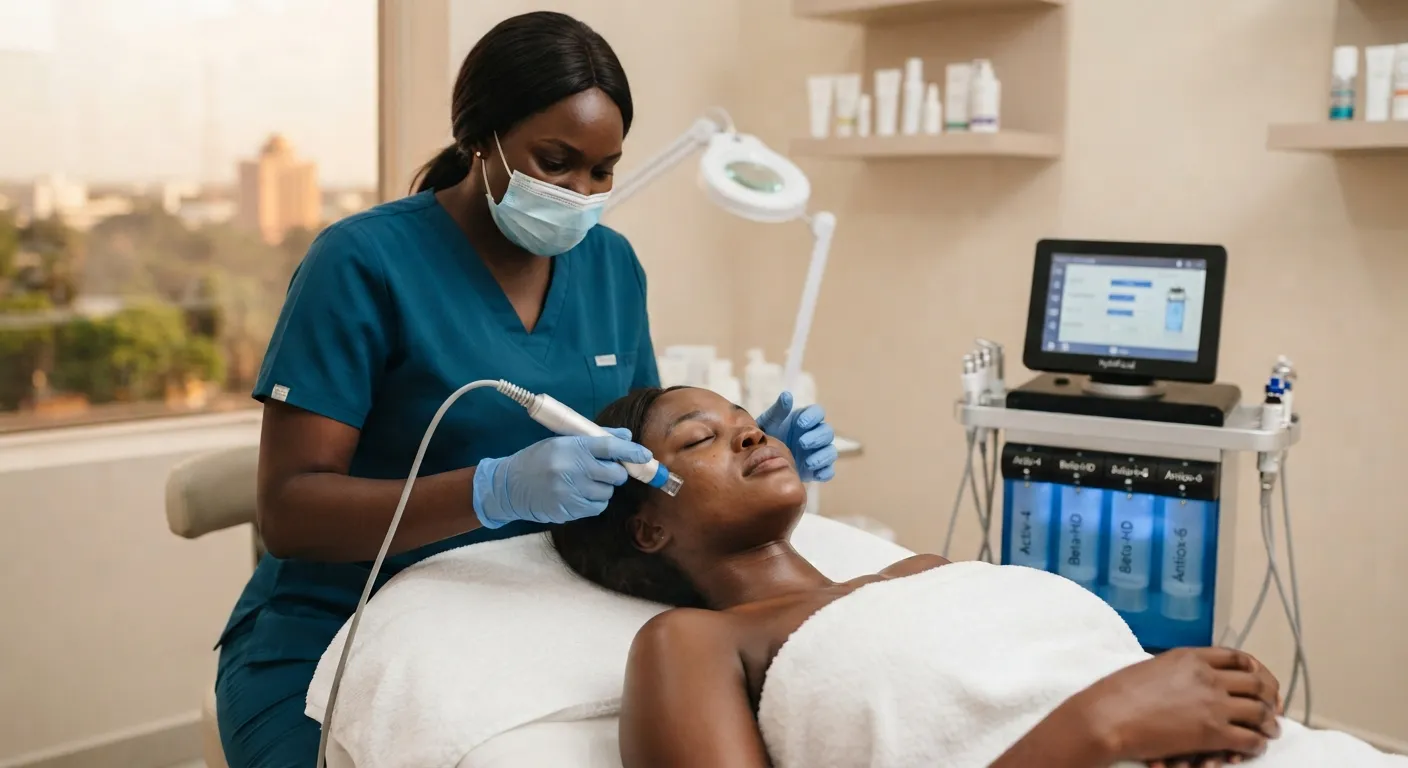
Do Hydrafacials Remove Blackheads?
Direct Answer: Yes, Hydrafacials are exceptionally effective at removing blackheads. Using patented Vortex-Fusion® suction technology combined with salicylic acid and glycolic acid peels, a Hydrafacial painlessly vacuums out hardened sebum plugs, dead skin cells, and cellular debris from deep within your pores without squeezing, pinching, or damaging the surrounding skin. Patients notice visibly clearer pores and smoother skin texture immediately after a single session.
Painless Vortex Suction (Zero manual squeezing)
Salicylic Acid, Glycolic Acid & Botanical Antioxidants
Immediate pore decongestion & 3–4 week lasting clarity
Blackheads are among the most persistent and frustrating skin concerns people face, regardless of skin type or age. Located predominantly on the nose, chin, and forehead (the T-zone), these stubborn dark spots can make skin look congested and uneven. While it is tempting to use pore strips or squeeze them manually at home, improper extraction methods often aggravate skin inflammation, enlarge pores, and lead to dark scarring or bacterial infections.
Enter the Hydrafacial: a medical-grade skin resurfacing treatment that has revolutionized non-invasive facial care. If you are struggling with clogged pores and wondering whether a professional facial can deliver lasting relief, the core question is: Do Hydrafacials remove blackheads safely and effectively?
The short answer is a definitive yes. A professional Hydrafacial Treatment in Kampala utilizes a unique three-step process combining chemical exfoliation, hydrating serums, and automated fluid extraction to pull blackheads completely out of the hair follicle. Under the supervision of an experienced Dermatologist Kampala, this therapy not only clears active blockages but also conditions your skin barrier to reduce future pore congestion.
Understanding Blackheads
To understand why Hydrafacials are so effective, it helps to understand what a blackhead actually is. Clinically known as open comedones (blackheads), blackheads form when a hair follicle pore becomes clogged with a mixture of excess sebum (natural skin oil) and dead skin cells (keratinocytes).
Unlike whiteheads, which remain sealed underneath a thin layer of skin, blackheads stay open to the air at the surface of the pore. When oxygen in the environment comes into contact with the trapped melanin and oil plug, a chemical reaction called oxidation occurs, turning the top of the plug dark brown or black.
Why Manual Squeezing Fails and Damages Your Skin
- Incomplete Extraction: Squeezing with fingers or metal tools usually only removes the surface cap of the plug, leaving the deeper root inside the pore.
- Tissue Trauma: Pressing down hard ruptures delicate capillary walls, causing redness, bruises, and broken blood vessels.
- Enlarged Pores: Repeated squeezing stretches the elastin matrix around the pore entrance, making pores look permanently larger.
- Post-Inflammatory Hyperpigmentation (PIH): In melanin-rich skin tones, physical pressure triggers melanocytes to produce dark spots around extracted pores.
The Science Behind Hydrafacial Blackhead Extraction
Hydrafacial technology replaces harsh manual pressure with fluid mechanics. The treatment works through a patented spiral design tip combined with powerful vacuum technology, known as Vortex-Fusion®. This system simultaneously delivers chemical peeling agents into the pore while vacuuming out dissolved debris.
1 Step 1: Cleanse + Peel (Loosening the Sebum Plug)
The facial begins with deep cleansing and gentle exfoliation using a combination of lactic acid and botanical extracts. Next, a mild chemical peel solution containing glycolic acid and salicylic acid (GlySal™ peel) is applied.
Salicylic acid is lipid-soluble, meaning it penetrates deep into the oily pore matrix. It breaks down the sticky bonds holding the dead skin cells and hardened oil together, softening the blackhead plug so it can be removed without pulling or scraping.
2 Step 2: Extract + Hydrate (Painless Vortex Vacuuming)
Once the blackheads are softened, the clinician glides the Vortex-Fusion® tip across your skin, focusing on congested zones like the nose, chin, and forehead.
The tip acts like a mini liquid vacuum. It creates a swirling vortex of salicylic acid serum and liquid suction that gently lifts the blackhead plugs entirely out of the hair follicles. At the exact same second, nourishing honey extract and meadowfoam seed oil flood into the newly opened pore to calm inflammation and prevent dryness.
All extracted blackheads, oil plugs, and dead skin cells are funneled into a transparent waste canister at the back of the machine. After your treatment, you can see the extracted impurities floating in the liquid—providing immediate visual proof of deep pore cleansing!
3 Step 3: Fuse + Protect (Pore Refinement & Hydration)
After the pores are completely emptied of blackheads, the final step saturates the clean skin with potent antioxidants, peptides, and low-molecular hyaluronic acid.
Hydration is crucial for pore control: when pores are dehydrated, your sebaceous glands overcompensate by pumping out more oil, restarting the blackhead cycle. By locking in moisture, Hydrafacial balances oil production and helps contract pore walls back to a refined, smooth appearance.
Hydrafacial vs. Traditional Manual Facial Extractions
If you have ever had a classic spa facial, you may remember painful comedone extractor metal tools and manual squeezing. Here is how Hydrafacial compares:
Hydrafacial Vortex Extraction
- Pain Level: Completely painless, relaxing liquid suction sensation.
- Pore Decongestion: Clears thousands of pores evenly across the whole face.
- Skin Trauma: Zero pinch marks, no bruising, no capillary damage.
- Downtime: Zero downtime—walk out with an instant luminous glow.
- Hydration: Infuses active antioxidants into pores while extracting.
Traditional Manual Extraction
- Pain Level: Moderate to high discomfort from metal pressing.
- Pore Decongestion: Only targets larger visible spots individually.
- Skin Trauma: High risk of red marks, temporary swelling, or scarring.
- Downtime: 24 to 48 hours of facial redness and irritation.
- Hydration: Can strip natural skin oils if harsh steam is overused.
Topic Spotlight: Key Terms & Concepts
Exploring blackhead treatments and deep pore cleansing? Here are key dermatological terms you should know:
Who Is the Ideal Candidate for Hydrafacial Blackhead Extraction?
One of the greatest advantages of Hydrafacial technology is its universal suitability across all Fitzpatrick skin types, ages, and complexions. Unlike aggressive chemical peels or laser treatments that require specific skin conditioning in dark skin tones, Hydrafacials are gentle, non-irritating, and completely safe for melanin-rich African skin.
Oily & Combination Skin Types
Individuals with hyperactive sebaceous glands experience rapid oil buildup in the T-zone. Hydrafacial regulates sebum production and removes deep-seated oil plugs before they oxidise into persistent blackheads.
Acne-Prone & Sensitive Skin
Because there is zero manual squeezing or metal pressure, patients with sensitive or inflamed skin can enjoy thorough pore extractions without triggering acne breakouts or post-inflammatory dark marks.
Enlarged Pores & Rough Texture
When hair follicles are clogged with hardened sebum, pore rims stretch outward. Vacuuming out debris allows pore walls to contract naturally, creating a refined, silky-smooth facial canvas.
Busy Professionals Seeking Zero Downtime
If you need clear skin for an upcoming wedding, photo shoot, or professional event, a Hydrafacial delivers immediate clarity without peeling skin or red blotches.
Targeted Hydrafacial Boosters for Enhanced Blackhead & Acne Control
For patients with stubborn blackheads or concurrent skin concerns such as acne scarring and dark spots, certified dermatologists can customize your Hydrafacial treatment using specialized clinical boosters:
1. Clarifying & Salicylic Boosters
Contains concentrated salicylic acid, willow bark extract, and task-specific peptides to control bacterial growth, reduce active inflammatory acne, and clear dense blackhead clusters around the nose.
2. Brightening & Pigment Inhibiting Boosters
Utilizes Alpha-Arbutin and Vitamin C to lighten post-acne dark marks and hyperpigmentation left behind by previous manual squeezing attempts.
3. Deep Hydration & Barrier Repair Boosters
Infuses multi-weight hyaluronic acid and niacinamide to strengthen the epidermal moisture barrier, soothing sensitive skin and regulating sebum output long after the facial ends.
How Often Should You Get a Hydrafacial to Prevent Blackheads?
Because skin continuously generates new skin cells and secretes sebum, blackheads will naturally return over time if regular maintenance is ignored. To keep your skin clear and prevent new comedones from forming, dermatologists recommend a structured treatment schedule:
1. Initial Reset Phase (Monthly for 3 to 4 Months)
If you have severe pore congestion or heavy T-zone blackheads, scheduling monthly Hydrafacials for 3 to 4 consecutive months resets your pore dynamics and clears built-up sebum layers.
2. Ongoing Maintenance Phase (Every 4 to 6 Weeks)
Once your skin is clear, maintaining treatments every 4 to 6 weeks aligns with your body’s natural 28-day epidermal renewal cycle, keeping pores tight and preventing oil plugs from hardening.
3. At-Home Maintenance Habits
Between appointments, wash daily with a gentle BHA (salicylic acid) cleanser, apply a light non-comedogenic moisturizer, and never sleep in makeup.
Frequently Asked Questions (FAQs)
1. Do Hydrafacials remove blackheads permanently?
No single facial treatment can stop your skin from producing oil permanently. While a Hydrafacial removes 100% of existing surface blackheads during your session, regular monthly maintenance and daily home skincare are essential to stop new blackheads from forming.
2. Does a Hydrafacial hurt during blackhead extraction?
Not at all. Hydrafacial extractions use painless vortex fluid suction rather than manual squeezing. Most patients find the soothing sensation relaxing and enjoyable.
3. Can I see the blackheads that were extracted from my face?
Yes! All extracted blackheads, excess oil, and dead skin debris are collected in a translucent waste canister (often called the "Gunkie" bottle), which your provider can show you after the treatment.
4. Are Hydrafacials safe for sensitive skin with blackheads?
Yes, Hydrafacials are suitable for virtually all skin types, including sensitive skin. The clinical provider can adjust the vacuum suction level and peel solution strength to match your skin sensitivity.
5. How soon after a Hydrafacial will my pores look smaller?
You will notice visibly cleaner, tighter pores immediately after your treatment. Because the dark oil plug is gone and the pore is infused with hydrating hyaluronic acid, the pore entrance appears noticeably smaller.
6. Is Salicylic Acid used during a Hydrafacial for blackheads?
Yes. Step 1 incorporates a specialized Salicylic and Glycolic Acid peel mixture designed to dissolve oil bonds within pores so blackheads slide out effortlessly during vortex extraction.
7. Can Hydrafacials cause more breakouts or purge blackheads?
Unlike harsh chemical peels, purging is very rare with Hydrafacials. Because the vortex technology immediately vacuums away all loosened debris during the treatment, impurities are removed rather than left trapped inside the skin.
8. Where can I get a professional Hydrafacial treatment for blackheads in Kampala?
Refine Skin & Body Clinic in Kampala offers doctor-supervised Hydrafacial treatments customized for complete blackhead removal, skin rejuvenation, and deep hydration.
Ready for Clear, Blackhead-Free Skin?
Book your medical-grade Hydrafacial treatment at Refine Skin & Body Clinic in Kampala today to experience painless pore extraction and an instant luminous glow.
Book Your Hydrafacial Consultation