

How Many Laser Skin Sessions Do You Need? Quick Answer
Direct Answer: Most patients require 3 to 6 laser skin treatment sessions spaced 4 to 6 weeks apart to achieve optimal, long-lasting rejuvenation results. The exact number depends on your specific skin concern: superficial hyperpigmentation often responds in 3 to 4 sessions, whereas deep acne scars or significant wrinkles require 4 to 6 sessions. Intensive ablative laser treatments may deliver full transformation in just 1 to 2 sessions, while gentle non-ablative laser procedures require 4 to 6 sessions with zero downtime.
- Hyperpigmentation & Dark Spots: 3 – 5 sessions
- Acne Scars & Deep Texture: 4 – 6 sessions
- Fine Lines & Skin Tightening: 3 – 6 sessions
- Redness & Rosacea: 2 – 4 sessions
- Laser Type: Ablative (1–2 sessions) vs. Non-ablative (3–6 sessions)
- Session Spacing: 4 to 6 weeks apart for collagen renewal
- Skin Tone: Custom parameters for melanin-rich skin safety
- Post-Care Maintenance: Daily SPF 50 & touch-ups every 12 months
Laser dermatology has completely transformed how we treat stubborn skin concerns—from hyperpigmentation and active acne scarring to premature fine lines and loss of elasticity. However, if you are planning your first aesthetic transformation, one of the most vital questions you will ask during your initial Skin Clinic in Uganda consultation is: "How many laser skin treatment sessions do I actually need to see dramatic, flawless results?"
Unlike quick superficial treatments like a basic facial, medical laser therapy is a progressive, restorative process. Laser light energy works deep within the skin dermis to trigger your body's natural healing response, breaking down damaged tissue and rebuilding fresh, healthy collagen over time. Because skin cells regenerate gradually, achieving smooth, even-toned skin requires a strategic series of treatments tailored to your unique skin type, age, and individual cosmetic goals.
Whether you are seeking Laser Skin Rejuvenation in Kampala to reverse sun damage, smooth out rough texture, or firm sagging skin, this ultimate expert guide will break down the science of laser session planning, explain why spacing matters, and provide a clear roadmap for your skin transformation journey.
How Laser Skin Rejuvenation Works at a Cellular Level
To understand why multiple sessions are necessary, it is essential to look at the cellular mechanics of Laser resurfacing and photothermal therapy.
During a laser skin treatment, targeted beams of focused light energy penetrate the epidermis (outer skin layer) and enter the deeper dermis. This light energy is absorbed by specific targets in the skin called chromophores—primarily melanin (pigment), hemoglobin (blood vessels), or water molecules within skin cells.
When absorbed, the laser light converts into controlled thermal heat. This microscopic heat delivers a double-action therapeutic response:
- Target Destruction: It shatters excess melanin clusters (causing dark spots to fade) and coagulates tiny, broken facial capillaries (reducing redness).
- Neocollagenesis (Collagen Production): It creates controlled micro-injuries in the dermal layer, prompting your skin to kickstart collagen production and elastin remodeling over the following 30 to 90 days.
Because collagen cannot rebuild overnight, each session builds directly upon the groundwork laid by the previous one. Think of your treatment plan like working out at the gym: a single session initiates the stimulus, but consistent sessions produce the true structural transformation.
Key Factors That Determine How Many Laser Sessions You Need
No two complexions are identical. During your initial clinical skin assessment, a qualified dermatologist evaluates five crucial variables to establish your personalized treatment protocol:
A. Type of Laser Technology Used (Ablative vs. Non-Ablative)
The choice of laser platform plays the largest role in deciding your total session count:
- Ablative Lasers (e.g., Fractional CO2 & Erbium YAG): These lasers vaporize the outermost damaged skin layers while heating the underlying dermis. Because they are intensive, they deliver dramatic skin tightening and deep scar reduction in just 1 to 2 sessions. However, they require 7 to 14 days of downtime.
- Non-Ablative Lasers (e.g., 1064nm Nd:YAG & Erbium Glass): These lasers keep the skin surface intact while passing thermal energy straight to the lower dermis. They have zero to minimal downtime but require 3 to 6 sessions to achieve comparable cumulative results.
B. The Severity of Your Skin Concern
Mild sun freckles or superficial dullness require far fewer sessions than severe ice-pick acne scars, deep-set forehead furrows, or chronic melasma. Superficial pigment sits near the skin surface and clears rapidly, while deep structural dermal remodeling takes longer.
C. Your Skin Tone & Fitzpatrick Type
Melanin-rich skin (Fitzpatrick Types IV through VI) requires specialized care. Higher melanin levels mean surface skin absorbs heat more readily. To prevent post-inflammatory hyperpigmentation (PIH) or thermal injury on darker complexions, dermatologists use lower energy settings paired with long-pulse 1064nm Nd:YAG technology. Spreading the energy gently over 4 to 6 conservative sessions guarantees 100% safety while delivering flawless results.
D. Age & Natural Cellular Turnover Rate
Younger skin naturally possesses active fibroblast cells that produce fresh collagen rapidly. In mature skin (ages 45+), cellular renewal slows down, requiring 1 or 2 extra sessions to stimulate optimal collagen synthesis and skin tightening.
E. Compliance with Post-Treatment Care
Following strict sun protection guidelines, keeping your skin barrier hydrated, and avoiding picking at micro-peeling skin ensures rapid recovery between visits, allowing your skin to stay on schedule for maximum efficacy.
Recommended Laser Sessions by Specific Skin Condition
Here is an overview of what to expect for common cosmetic and medical skin concerns:
| Skin Concern | Recommended Laser Type | Avg. Number of Sessions | Recommended Interval |
|---|---|---|---|
| Hyperpigmentation & Sun Spots | Nd:YAG / Q-Switched / Non-Ablative | 3 – 5 Sessions | 4 Weeks |
| Acne Scars & Deep Scars | Fractional CO2 / Dermapen® Microneedling | 4 – 6 Sessions | 4 to 6 Weeks |
| Fine Lines & Wrinkles | Non-Ablative Dermal Rejuvenation | 3 – 6 Sessions | 4 Weeks |
| Facial Redness & Rosacea | Vascular / 1064nm Laser | 2 – 4 Sessions | 3 to 4 Weeks |
| Overall Texture & Radiance | Gentle Laser Toning / Carbon Peel | 2 – 3 Maintenance Sessions | 6 to 8 Weeks |
A. Hyperpigmentation, Dark Spots, & Melasma (3 – 5 Sessions)
Patchy pigmentation, post-acne dark marks, and sun spots sit across varying depths of the skin. Non-ablative laser light shatters dense melanin deposits into tiny micro-particles, which your lymphatic system naturally sweeps away over 3 to 4 weeks. Most patients notice visible fading after session two, with full pigment clearing achieved between sessions 3 and 5.
B. Acne Scars & Pitted Texture (4 – 6 Sessions)
Pitted acne scars (such as boxcar, rolling, or ice-pick scars) represent fibrous tethered tissue beneath the surface. Fractional laser beams create columns of microscopic thermal zones that break down rigid scar tissue and stimulate fresh collagen fibers to lift depressions. Because scar remodeling takes time, 4 to 6 sessions are ideal for smoothing out skin texture.
C. Anti-Aging & Skin Tightening (3 – 6 Sessions)
To combat fine lines around the eyes, smile lines, and early facial skin laxity, laser energy heats the collagen matrix in the deep dermis. This contracts existing collagen fibers and sparks new elastogenesis, gradually tightening the skin over 3 to 6 monthly treatments.
Why Session Spacing Matters: The 4 to 6 Week Golden Window
Patients often wonder if they can speed up their skin transformation by booking laser sessions every week. The short answer is no—and doing so can actually damage your skin barrier.
Here is why proper timing between treatments is non-negotiable:
- Matching the Cellular Renewal Cycle: The human epidermis takes approximately 28 to 30 days to complete a full cell turnover cycle. Spacing appointments 4 to 6 weeks apart gives old, pigmented dead skin cells adequate time to shed naturally.
- Allowing Collagen Remodeling to Peak: Neocollagenesis is a slow biochemical process. New collagen fibers begin forming around day 14 and continue building up to 90 days after a session. Spacing treatments allows each new collagen layer to solidify.
- Preventing Skin Barrier Breakdown: Performing laser procedures too close together does not give the skin barrier time to recover, increasing the risk of chronic redness, irritation, or hyperpigmentation.
What to Expect Before, During, and After Each Session
Knowing what occurs during each phase of your laser skin journey ensures a comfortable, stress-free experience:
Before Treatment
Avoid direct sun exposure, self-tanners, and strong exfoliants (retinoids, glycolic acid, salicylic acid) for 3 to 5 days prior. Arrive with clean skin free of makeup.
During Treatment
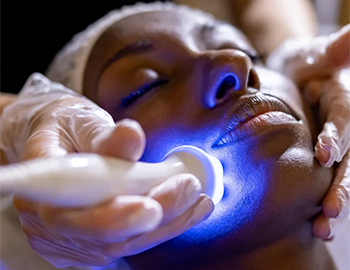
Topical numbing cream is applied if needed. Pulses feel like mild snapping or gentle warmth while integrated cooling tips keep the surface comfortable. Treatments take 15 to 45 minutes.
After Treatment
Expect mild redness (similar to a light sunburn) for 24 to 48 hours. Apply soothing moisturizer, avoid hot showers or intense workouts for 24 hours, and wear SPF 50 daily.
Frequently Asked Questions (Answer Engine Optimized)
Will I see visible results after just one laser skin session?
Answer: Yes, you will notice an immediate improvement in skin radiance, smoothness, and tone within 7 to 10 days after your very first session. However, structural skin changes—such as deep acne scar reduction, pigment clearing, and wrinkle reduction—require the cumulative collagen stimulation of a full 3 to 6 session series.
How far apart should laser skin treatment sessions be scheduled?
Answer: Laser skin sessions should be scheduled 4 to 6 weeks apart. This timeframe aligns with your natural cellular turnover cycle (28 days) and allows new collagen synthesis to take place safely without compromising your skin barrier.
Are the results from laser skin rejuvenation permanent?
Answer: Results for structural corrections like acne scar remodeling and permanent pigment removal are long-lasting to permanent. However, because natural aging and sun exposure continue over time, dermatologists recommend scheduling 1 or 2 maintenance sessions per year to keep collagen production active and skin youthful.
Is laser skin rejuvenation safe for dark skin tones?
Answer: Absolutely. Modern non-ablative lasers—specifically long-pulse 1064nm Nd:YAG platforms—are 100% safe for Fitzpatrick skin types IV through VI. These wavelengths bypass surface epidermal melanin to target deep dermis chromophores safely without risks of burns or hyperpigmentation.
Does laser skin treatment hurt, and how much downtime is required?
Answer: Most non-ablative laser procedures produce mild sensations comparable to warm tingling or light rubber band snaps, requiring zero to 48 hours of mild redness. Ablative lasers (like CO2) involve topical numbing cream for comfort and require 5 to 7 days of social downtime while skin heals.
Can I combine laser treatments with other skin procedures?
Answer: Yes. Combining laser therapy with treatments like Platelet-Rich Plasma (PRP) facial therapy, microneedling, or gentle HydraFacials often enhances collagen output and accelerates healing. Your dermatologist will structure a safe timeline for combination therapies.
How should I prepare my skin before my first laser appointment?
Answer: Stop using active exfoliating acids (salicylic, glycolic, lactic acid) and topical retinoids 3 to 5 days before treatment. Avoid direct sunbathing, tanning beds, or chemical peels for 2 weeks prior, and ensure your skin is clean and unblemished on appointment day.
How do I maintain my skin results after completing all sessions?
Answer: Maintain your glowing results by applying broad-spectrum SPF 50 sunscreen every single day, keeping skin barrier hydrated with hyaluronic acid and ceramides, staying hydrated, and booking a single maintenance touch-up session every 6 to 12 months.
Final Thoughts: Investing in Your Skin Transformation
Laser skin rejuvenation is one of the most effective, scientifically backed investments you can make for long-term complexion health. While individual results vary, adhering to a customized treatment series of 3 to 6 sessions ensures you build a solid foundation of healthy collagen, clear tone, and youthful resilience.
Ready to find out exactly how many sessions your skin needs? Schedule a comprehensive skin analysis with certified aesthetic dermatologists today and step into your radiant transformation with confidence.