

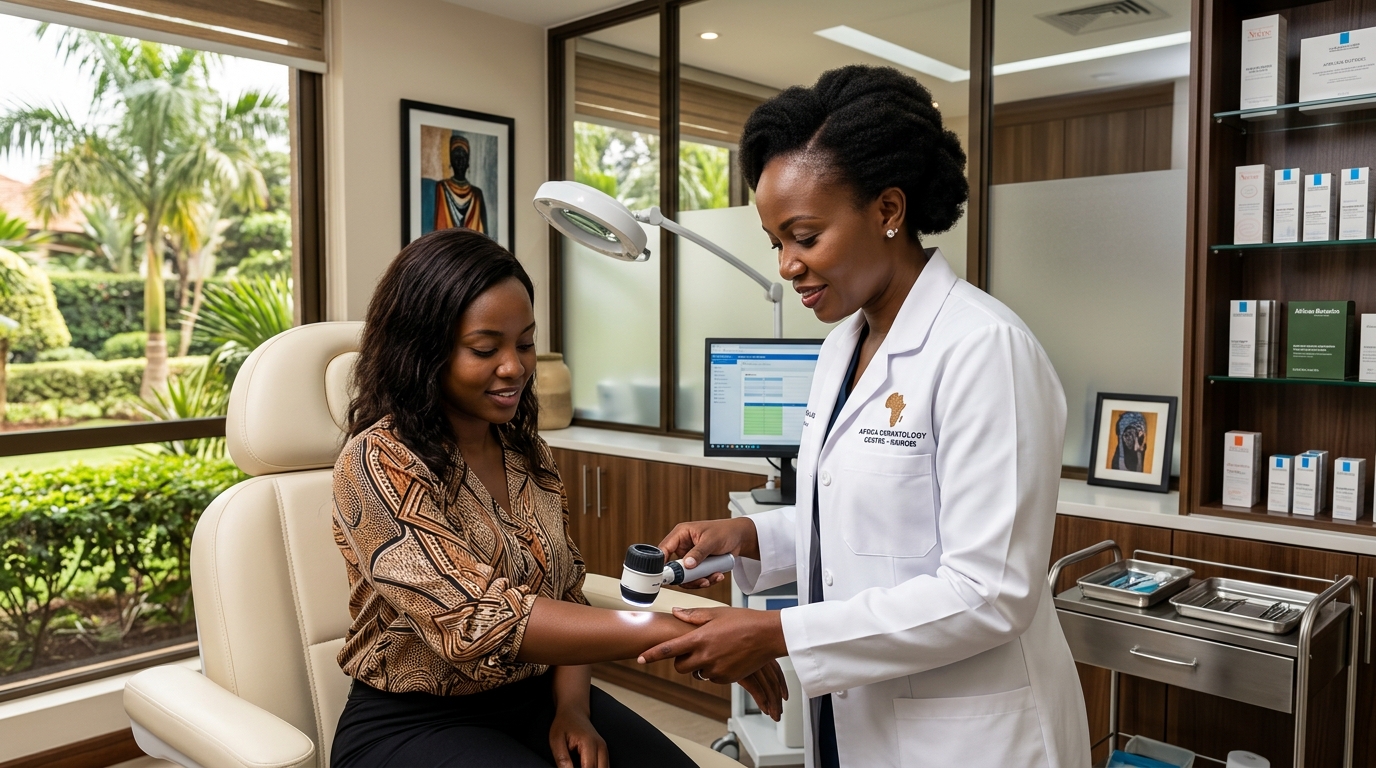
What are Common Skin Diseases in Uganda?
Direct Answer: The most common skin diseases in Uganda include fungal infections (such as ringworm and tinea versicolor), eczema (atopic dermatitis), acne vulgaris with post-inflammatory hyperpigmentation, scabies, bacterial skin infections (impetigo and folliculitis), sun-induced melasma, and contact dermatitis. High tropical humidity, intense equatorial sun exposure, environmental irritants, and micro-organism overgrowth are primary contributing factors. Proper medical evaluation, targeted antifungal or anti-inflammatory treatments, and gentle daily skincare routines are essential for effective management.
Fungal infections (tinea), scabies mites, & bacterial folliculitis
Eczema, contact dermatitis, acne vulgaris, & psoriasis
Post-acne dark marks, melasma, & sun-induced hyperpigmentation
Skin health is an vital aspect of overall well-being, yet skin disorders remain among the most frequent health concerns in East Africa. In Uganda, the warm tropical climate, elevated humidity levels, intense equatorial sunlight, and environmental exposure create a unique environment for various dermatological disorders to develop. Whether living in urban centers like Kampala or rural regions, thousands of individuals experience skin itching, rashes, discoloration, or chronic inflammation every day.
Understanding what causes these skin issues is the first step toward achieving clear, healthy, and comfortable skin. Recognizing early signs allows you to seek timely care from a reputable Skin Clinic in Uganda rather than relying on harsh over-the-counter remedies that can worsen sensitive skin. At Refine Skin & Body Clinic, our clinical team specializes in diagnosing and treating diverse skin conditions tailored specifically to dark and melanin-rich skin tones.
A medical skin condition can range from temporary fungal outbreaks caused by heat and sweat to long-term inflammatory challenges like eczema or melasma. In this comprehensive guide, we explore the 8 most common skin diseases in Uganda, their primary causes, key symptoms, prevention methods, and modern medical dermatological treatments.
Top 8 Most Common Skin Diseases in Uganda
1 Fungal Skin Infections (Tinea & Ringworm)
Fungal skin infections are arguably the most widespread dermatological problem across Uganda. Fungi thrive in warm, moist, and humid environments, making tropical weather ideal for fungal growth on the human body.
- Tinea Capitis (Scalp Ringworm): Very common in school-age children, causing scaly patches and localized hair loss.
- Tinea Corporis (Body Ringworm): Circular, raised, itchy red or dark ring-like patches on the body.
- Tinea Versicolor (Pityriasis Versicolor): Yeast overgrowth causing light or dark discolored spots on the chest and back.
- Tinea Pedis (Athlete's Foot): Itchy, peeling skin between the toes from closed shoes and moisture.
Symptoms include persistent itching, scaling, peeling, and skin discoloration. Fungal infections spread easily through shared towels, combs, or physical contact.
Medical Treatment: Antifungal creams (clotrimazole, terbinafine), medicated shampoos, or oral antifungal medications for severe cases prescribed by a skin doctor in Uganda.
2 Eczema (Atopic Dermatitis)
Eczema is a non-contagious inflammatory skin condition characterized by dry, itchy, sensitive, and hyper-reactive skin. It affects both children and adults in Uganda, often fluctuating with seasonal weather changes.
Triggers include dry dusty air during dry seasons, harsh laundry soaps, synthetic fabrics, stress, and specific food allergies.
Symptoms feature extreme itching, dryness, red or dark thickened (lichenified) skin, cracked areas, and occasional fluid oozing when scratched.
Managing eczema requires restoring the compromised skin moisture barrier.
Treatment: Fragrance-free emollient moisturizers, mild topical anti-inflammatory ointments, barrier repair creams, and avoiding known allergy triggers.
3 Acne Vulgaris & Post-Inflammatory Hyperpigmentation
Acne is extremely prevalent among teenagers and adults in urban centers such as Kampala. In hot, humid climates, excess sebum (oil) production mixes with sweat, dead skin cells, and environmental dirt to clog hair follicles.
Blackheads, whiteheads, inflammatory pimples, and painful deep cysts on the face, chest, shoulders, and upper back.
For African and dark skin tones, pimples frequently leave behind stubborn dark marks (post-inflammatory hyperpigmentation) long after the active acne has cleared.
Clinical Care: Professional acne management includes salicylic acid peels, topical retinoids, clinical facials (such as Hydrafacial), LED light therapy, and specialized pigment-fading active ingredients.
4 Scabies & Parasitic Infestations
Scabies is a highly contagious parasitic skin condition caused by microscopic mites (Sarcoptes scabiei) that burrow into the upper layer of the skin to live and lay eggs.
- Intense, overwhelming itching that worsens significantly at night.
- Pimple-like itchy rash between fingers, wrists, armpits, waistline, and groin.
- Tiny raised burrow lines visible on the skin surface.
Because scabies spreads quickly through direct skin contact, boarding schools, families, and shared living spaces are at high risk.
Treatment: Prescription scabicide creams (Permethrin lotion), washing all clothing and bedding in hot water, and treating all household members simultaneously.
5 Bacterial Skin Infections (Impetigo, Folliculitis & Boils)
Bacterial infections occur when bacteria such as Staphylococcus aureus or Streptococcus enter tiny breaks in the skin caused by insect bites, scratches, or shaving.
Very common in young children, producing red sores around the nose and mouth that break open and form honey-colored crusts.
Inflammation of hair follicles appearing as small red or pus-filled bumps, often triggered by shaving or tight clothing in hot weather.
Painful, pus-filled lumps under the skin that require proper medical hygiene and drainage.
6 Melasma & Sun-Induced Hyperpigmentation
Uganda sits directly along the Equator, receiving high levels of ultraviolet (UV) radiation throughout the year. Unprotected sun exposure triggers melanocytes (pigment-producing cells) to produce excess melanin.
Melasma: A specific form of hyperpigmentation causing symmetrical brown or dark gray patches on the cheeks, forehead, nose bridge, and upper lip. It is heavily influenced by hormonal changes during pregnancy, oral contraceptive use, and intense sun exposure.
Melasma Treatment: Broad-spectrum physical sunscreens, chemical peels, topical tyrosinase inhibitors (like tranexamic acid, azelaic acid, and vitamin C), and laser skin rejuvenation protocols under professional supervision.
7 Contact Dermatitis (Irritant & Allergic)
Contact dermatitis is a rash caused by direct contact with a substance that either damages the skin barrier (irritant) or triggers an immune reaction (allergic).
- Harsh bleaching creams and unverified cosmetic products.
- Strong laundry detergents and household cleaning agents.
- Synthetic dyes and cheap jewelry metals (nickel).
Redness, burning sensation, stinging, blisters, and localized swelling within hours of contact.
Management: Identifying and stopping contact with the offending agent, applying soothing cold compresses, and using gentle barrier repair creams.
8 Viral Skin Conditions (Warts & Molluscum Contagiosum)
Viral skin infections are common among school children and young adults across Uganda. Viruses invade the superficial layers of the skin, creating raised bumps or growths.
Caused by Human Papillomavirus (HPV), presenting as rough, grainy bumps on hands, fingers, or soles of the feet (plantar warts).
Firm, smooth, dome-shaped papules with a central dimple, spreading easily in warm, moist environments like swimming pools or close physical contact.
Why Are Skin Diseases Common in Uganda? Key Risk Factors
Several environmental, lifestyle, and biological factors contribute to the high frequency of skin conditions in East Africa:
- Tropical Climate & High Humidity: Warm weather and constant sweat accumulation foster rapid reproduction of skin fungi, yeasts, and bacteria.
- Equatorial Sun Intensity: Strong solar radiation breaks down skin elasticity and triggers excess melanin production, causing hyperpigmentation and early signs of photoaging.
- Unregulated Skin Bleaching Products: Using unauthorized lighteners containing hydroquinone, mercury, or harsh steroids thins the skin, destroys the barrier, and invites chronic infections.
- Water Quality & Sanitation Challenges: In some regions, access to clean purified water for daily bathing can be limited, predisposing skin to bacterial and parasitic infestations.
- Self-Medication & Delayed Diagnosis: Applying strong steroid creams bought over-the-counter without a doctor's prescription often masks fungal infections (tinea incognito) and worsens skin inflammation.
Daily Skincare Tips for Healthy Skin in Uganda
Protecting your skin from common tropical skin diseases starts with a consistent, gentle daily care routine:
1. Cleanse Gently Twice Daily
Use a mild, sulfate-free cleanser to wash away sweat, dirt, and excess oil without stripping your natural protective lipids.
2. Apply Sunscreen Every Morning
Choose a broad-spectrum SPF 30 or SPF 50 sunscreen designed for dark skin tones that leaves no white cast and prevents sun spots.
3. Hydrate & Protect the Barrier
Apply a lightweight, non-comedogenic moisturizer containing hyaluronic acid or ceramides to lock in moisture.
4. Avoid Self-Medicating
Never use strong prescription steroid creams or uncertified whitening products without professional guidance from a qualified dermatologist.
Topic Spotlight: Key Terms & Concepts
When exploring skin health topics in Uganda, you may encounter several specialized terms. Here is how they relate to your care:
Frequently Asked Questions (FAQs)
1. Why are fungal skin infections so common in Uganda?
Fungi thrive in warm, humid weather. High heat and sweat accumulation in tropical climates create ideal conditions for fungal organisms like ringworm and tinea versicolor to multiply on the skin.
2. How can I tell the difference between eczema and a fungal infection?
Eczema usually causes intense dryness, red/dark inflamed patches, and symmetric rash patterns on elbows or knees. Fungal infections typically form distinct circular, scaly rings with clearer centers. A clinical consultation at a skin clinic in Uganda provides an accurate diagnosis.
3. Why does acne leave dark marks on African skin in Uganda?
Melanin-rich skin naturally produces pigment in response to inflammation (post-inflammatory hyperpigmentation). When pimples flare up or are squeezed, melanocytes overproduce pigment, leaving dark spots after the pimple heals.
4. Is scabies contagious, and how is it treated?
Yes, scabies is highly contagious through direct skin contact or shared bedding. It requires prescription scabicide lotion applied to the entire body, along with washing all clothes in hot water and treating all family members at the same time.
5. Can sun protection prevent melasma from getting worse in tropical weather?
Yes! Equatorial sunlight triggers melanin production, which deepens melasma patches. Wearing broad-spectrum SPF 50 sunscreen daily and seeking shade are vital steps to control melasma.
6. What should I do if an over-the-counter skin cream doesn't work?
Stop using unprescribed creams immediately. Over-the-counter creams often contain hidden steroids that mask symptoms while worsening underlying infections. Schedule a medical examination with a qualified dermatologist for targeted treatment.
7. Are heavy natural oils like coconut oil safe for acne-prone skin in high humidity?
Heavy oils can be comedogenic, meaning they clog pores easily in humid weather. For acne-prone or oily skin, non-comedogenic, lightweight hydrating creams or hyaluronic acid serums are much safer options.
8. Where can I get professional diagnosis and treatment for skin diseases in Kampala?
Refine Skin & Body Clinic offers medical dermatological consultations, advanced diagnostic tools, customized prescription therapies, and specialized clinical treatments in Kampala, Uganda.
Struggling with a Skin Condition?
Get expert medical diagnosis and personalized skincare treatments at Refine Skin & Body Clinic in Kampala today.
Book Your Medical Consultation